

1) Register for Self Assessment early
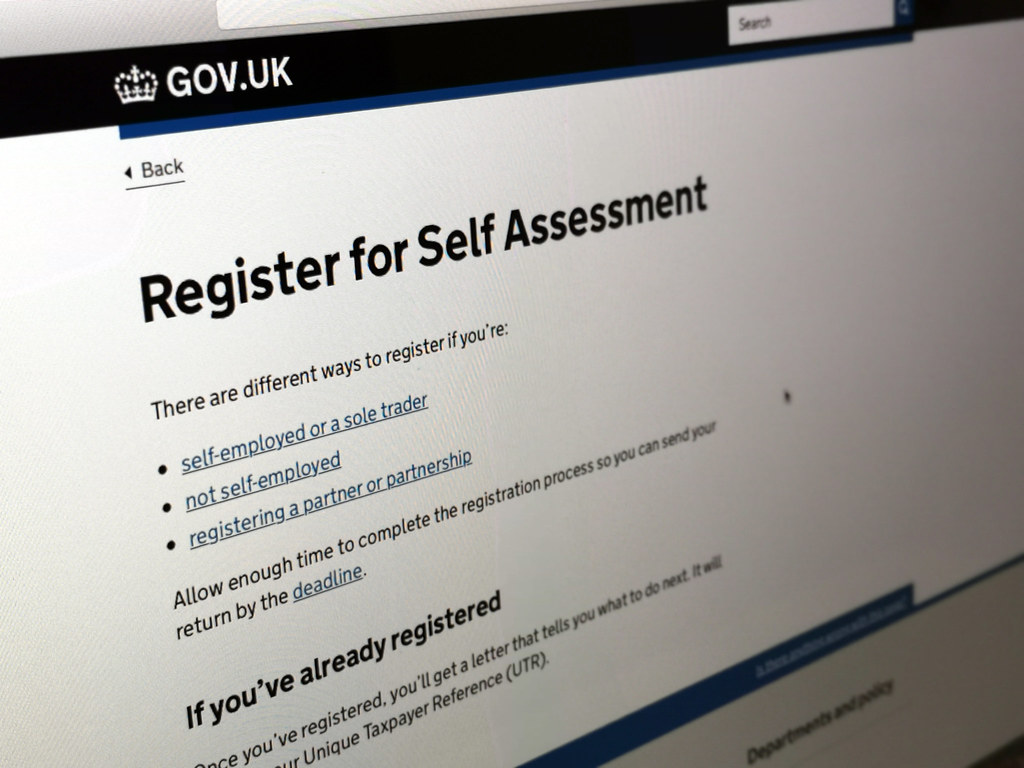
If you need to file a tax return for a tax year and you’re not already in Self Assessment, you must tell HMRC by 5 October following the end of that tax year (the tax year runs 6 April to 5 April).
Tip: Register via GOV.UK as soon as you realise you need to file. You’ll typically need your National Insurance number and personal details.
2) Keep accurate records (and keep them digital)
Good records make Self Assessment faster and reduce stress if HMRC ever asks questions.
What to track:
-
Payments received (bank entries, invoices, remittance advice)
-
Receipts for work costs (uniform, equipment, CPD, etc.)
-
Mileage log (date, purpose, start/end, miles) if you travel between practices
-
Professional subscriptions/fees (e.g., GDC, indemnity, memberships)
Tip: Consider accounting software (or at least a dedicated spreadsheet + separate bank account) so everything is in one place. Also: the UK is moving further into digital tax reporting, so digital habits now will help later.
3) Know what expenses you can usually claim (dental nurse-relevant)
Claiming allowable expenses can legally reduce your tax bill. Typical categories self-employed dental nurses often claim include:
-
Professional fees & training: GDC registration, indemnity, CPD courses
-
Travel for work: mileage/fuel, parking, train/bus (if not reimbursed)
-
Uniform & equipment: scrubs, PPE you purchase yourself, work tools
-
Home admin costs (if you genuinely do admin at home)
-
Marketing/advertising (if you promote your services)
Tip: Keep receipts and notes on why the cost was for work—this is what protects you if questioned.
4) Set aside money for tax (and understand NI in 2026)
Unlike PAYE employees, self-employed people must put money aside for tax.
Income Tax (England/Wales/NI)
-
Personal Allowance: £12,570 (no income tax paid on this portion, subject to tapering over £100k)
-
Basic rate: 20% up to £50,270 (then higher rates apply)
(Scotland has different bands/rates.)
National Insurance (self-employed)
Big update that makes a lot of older blogs out of date:
-
Class 2 NI is no longer compulsory from 6 April 2024 (but you may choose to pay it voluntarily in some situations).
-
Where relevant, the Class 2 weekly rate for 2025/26 is £3.50.
-
Class 4 NI (2025/26):
-
0% up to £12,570
-
6% on profits from £12,570 to £50,270
-
2% above £50,270
-
Tip: Many freelancers save 25–35% of income (especially if your earnings are variable) into a separate “tax pot” account.
5) Key deadlines (for the January 2026 rush)
To avoid penalties, don’t leave it late:
-
31 January: online filing deadline + balancing payment due (and usually your first payment on account, if applicable)
-
31 July: second payment on account (if applicable)
Late filing penalties (HMRC)
-
£100 fixed penalty (even if you owe no tax)
-
After 3 months: £10/day up to £900
-
After 6 months: extra £300 or 5% of tax due (whichever is greater)
-
After 12 months: another £300 or 5% (whichever is greater)
Tip: Aim to file in early January at the latest—HMRC services get busy and stress levels spike.
6) Payments on Account (plan for the cashflow)
If your Self Assessment bill is over £1,000, HMRC may ask for Payments on Account—advance payments toward next year’s bill, split into two instalments (Jan + July).
Tip: If your income drops, you can apply to reduce payments on account—but reduce carefully (if you underpay, HMRC can charge interest).
7) 2026 update: Making Tax Digital (MTD) is getting closer
From 6 April 2026, Making Tax Digital for Income Tax starts becoming mandatory in phases (it has been delayed before, but current guidance is phased from 2026).
In general terms, it means more people will eventually need to:
-
keep digital records, and
-
send quarterly updates using compatible software.
Tip: Even if you’re not in the first wave, building digital record-keeping habits now will make the transition smoother. You can also volunteer early if you want to get used to it.
8) Get support if you need it (it can pay for itself)
Self Assessment is doable, but it’s easy to miss something (especially with payments on account, mixed PAYE + self-employed income, or changing rules). An accountant/tax adviser can help with:
-
accuracy and compliance
-
allowable expenses
-
planning for payments on account
-
avoiding common pitfalls
If you’re a self-employed dental nurse at Cavity, we can also point you in the right direction so the process feels simpler and less stressful.
Final thoughts
Self Assessment doesn’t have to be a headache. If you:
-
register on time,
-
keep tidy records,
-
understand what you can claim,
-
set aside money regularly, and
-
respect the key deadlines,
…you’ll avoid penalties and feel in control when January comes around.
References
-
Register for Self Assessment- gov.uk
-
Late filing penalties (HMRC)- gov.uk
-
Income Tax rates & Personal Allowance (current year)- gov.uk
-
Self-employed National Insurance (Class 2 / Class 4)- gov.uk
-
Making Tax Digital for Income Tax (sign up / check eligibility) gov.uk