
This year sees new bans on smoking and disposable vapes, sparking fresh debate on the health impacts of both habits. While smoking has long been recognised as a leading cause of preventable disease and death, vaping is a much newer trend with uncertain long-term effects.
Both behaviours raise serious concerns for oral health, with risks ranging from tooth discoloration to oral cancer. In this article, we’ll explore the latest research on smoking and vaping, their impact on oral health, and how dental professionals can support patients in making healthier choices.
The Decline of Tobacco Use
Smoking rates continue to fall worldwide. A World Health Organization (WHO) 2025 report found that only one in five adults now consume tobacco, compared to one in three in 2000. Despite this decline, tobacco use still causes around 80,000 deaths per year in the UK and remains the biggest contributor to oral cancer.
The Rise of Vaping Among Young People
While smoking is decreasing, vaping is on the rise – especially among young people.
- The WHO has reported an alarming increase in e-cigarette use among children and teenagers, in some cases exceeding adult use.
- With 16,000+ vape flavours, attractive designs, and social media marketing, e-cigarettes are being heavily promoted to younger audiences.
- In the UK, nearly one in five children aged 11–17 have tried vaping, and around 230,000 children vape weekly (Action on Smoking and Health).
This trend raises growing concerns about nicotine addiction, especially among individuals who have never smoked.
Smoking and Oral Health Risks
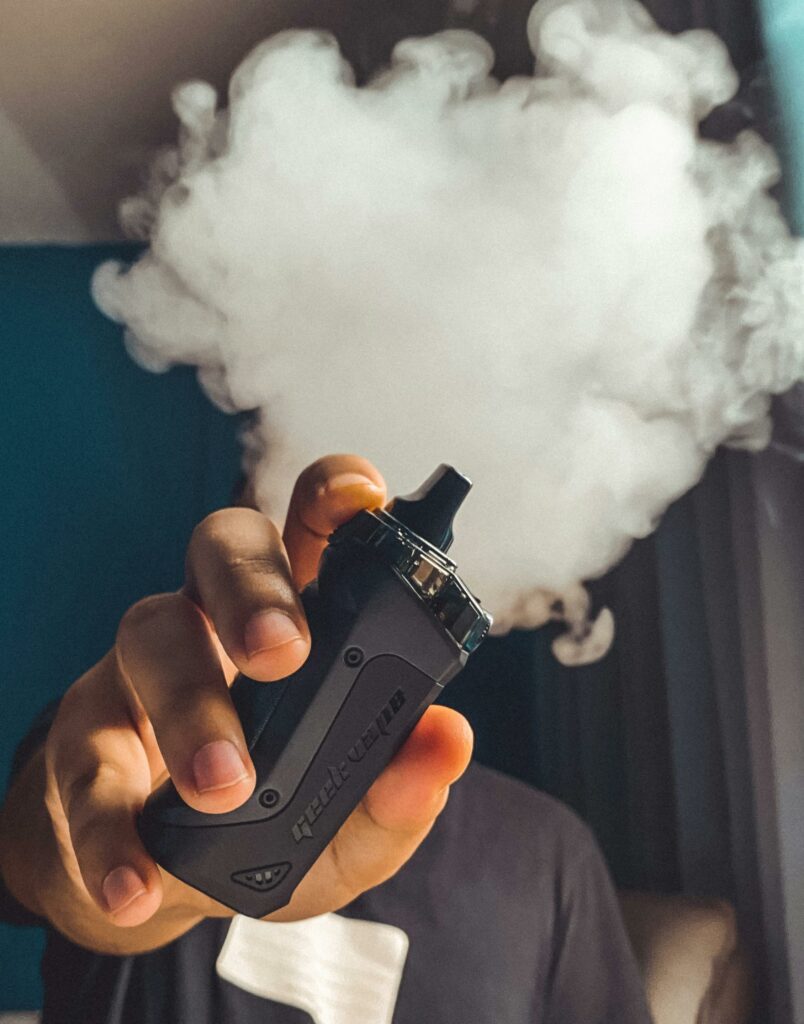 Tobacco use has severe consequences for oral health. Common problems include:
- Bad breath (halitosis) and loss of taste and smell
- Stained teeth and dental restorations
- Increased periodontal (gum) disease severity
- Higher dental implant failure rates
- Greatly increased risk of oral cancer
Smokers are 91% more likely to develop oral cancer than non-smokers, and tobacco is linked to around 65% of cases. Encouragingly, quitting smoking can significantly reduce these risks within 5–10 years.
Oral Cancer Awareness
Oral cancer survival rates are strongly linked to early detection. Patients should be encouraged to:
- Check their mouth regularly (tongue, gums, throat)
- Look out for ulcers, red or white patches that don’t heal within three weeks
- Visit their dentist for regular check-ups
- Seek immediate medical advice if they notice persistent changes
Vaping and Oral Health: What We Know So Far
Research into vaping’s long-term oral health effects is still limited, but some early findings include:
- Dry mouth and sticky plaque formation may increase risk of gum problems
- Non-nicotine e-liquids can be acidic, potentially contributing to dental erosion
- Nicotine itself is not a carcinogen, but its impact on gum health is still being studied
- Currently, there is no strong evidence linking vaping to oral cancer, but concerns remain about long-term use
The Role of Dental Professionals
Dental care professionals play a vital role in supporting patients:
- Educating patients on the risks of smoking and vaping for oral health
- Encouraging smoking cessation and signposting patients to trusted resources
- Recognising that many vape users are managing nicotine addiction and should not be judged
- Offering guidance on available services, including NHS support and professional cessation programmes
- 👉 If you’d like to expand your knowledge, take our free CPD course here: Free CPD – Smoking Cessation – Cavity Dental Staff
- 👉 Explore more resources: Addiction – Cavity Dental Staff | Vaping – Cavity Training
Conclusion
While smoking’s dangers are well documented, vaping remains a developing public health challenge – particularly among young people. For oral health, the risks of smoking are severe, while the effects of vaping are still unfolding.
As dental professionals, raising awareness, encouraging early detection, and supporting patients on their journey to healthier habits is essential.