

Shared decision making
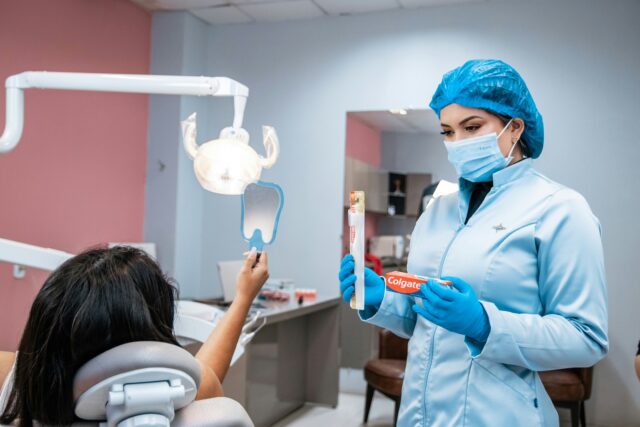
Another aspect of the standard highlights the need to involve children and their families in decisions about their oral care. The dental team can achieve this by using language that is appropriate for the child’s age and development, considers their needs and other aspects like preferences and child’s or families views. The patient’s best interests remain central when planning treatment and delivering care.
Prevention, prevention, prevention
How do dental nurse participate in this by:
- Delivering evidence-based oral health education
- Supporting with fluoride advice and application where trained
- Encouraging toothbrushing and healthy dietary advice
Resources useful for nurses in supporting children and families to prevent dental caries:
- Delivering Better Oral Health Guidance
- Prevention and management of dental caries in children – SDCEP
- Clinical guide for dental anxiety management – NHS England
Regardless of the setting there should be a seamless pathway between general practice, community and hospital services.
For this to happen:
- Children should receive care in the most appropriate setting
- Referral should be efficient and include all relevant information
- Shared care between services is encouraged
Dental care of the young according to level of care
The level of care is determined using complexity of child’s needs, the skills and competencies of the service provider and workforce. Level 1 include dentists whilst Level 3 includes consultants in hospitals. Where this is not appropriate for a GDP for example appropriate referral and escalation should be used.
Practitioners use the British Dental Association Case Mix 2019 document to assess patient complexity taking into account the following:
- ability to cooperate
- ability to communicate
- medical status
- oral risk factors
- legal and ethical barriers
Treatment complexity is the second component that is analysed alongside.
When using the complexity framework, children can be directed to the appropriate care level their require based on personal and procedural analyses.
Non-pharmacological methods first in patients with dental anxiety
Finally, the standard also emphasises that there should be a clear, graduated approach to anxiety management using non-pharmacological strategies such a tell-show-do or modelling for example before using conscious or unconscious referral services.
Dental nurses can be of great help in these scenarios:
- Empathising with patients
- Being patient and encouraging
- Adaption communication to patient’s age
- Supporting strategies used by practitioner