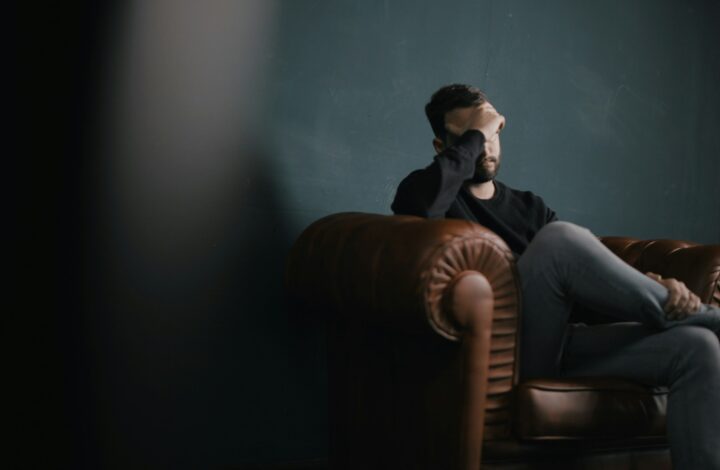
Stress is a physical and mental response to external or internal events that the brain interprets as dangerous. A stress response can occur when we feel out of control or unable to tolerate what we are experiencing. It is a natural human response to life, and as individuals we respond to stress in our own way.
It is a feeling of being overwhelmed, tense, or exhausted. A small amount can be motivating, but too much of it is never a good thing.
There are 2 main types of stress:
| Acute Stress: | this is short term and an immediate response to a specific challenge or threat. For example, preparing for a test or facing an argument. The effects are temporary increase in energy and focus and usually resolves quickly. |
| Chronic Stress: | this is long term and results from ongoing challenges and/or pressures. For example, financial problems or caring for a loved one. The effects can lead to burnout, anxiety and depression and physical health issues. |
Stress is the feeling of being overwhelmed and not being able to cope physically, emotionally or mentally.
| Physical signs | can include, chest pain, headaches, digestion issues and struggling with sleep. |
| Emotional signs | can include, struggling to focus, depression and anxiety, irritability and anger. |
| Behavioural signs | can include, eating too much, isolating and avoiding socialising, misuse of drugs and alcohol. |
These are just some of the signs and symptoms, you can read more here: Signs and symptoms of stress – Mind
‘nine in 10 (91%) of adults experienced high pressure or stress at some point over the last year’ – Mental Health UK, 2025
Reducing stress helps maintain your physical and mental wellbeing by:
- Improving your mood and productivity
- Boosting your immune system
- Reducing your risk of developing other illnesses, from a headaches to heart disease or diabetes
- Preventing other mental health conditions from developing, like anxiety or depression
- Enhancing your sleep quality
This link has various pieces of self-help information: How to manage and reduce stress | Mental Health Foundation
It’s okay to ask for professional help if you feel that you’re struggling to manage stress on your own. It’s important to get help as soon as possible.
Often, the first step to getting support is speaking to your GP. Additionally, there are voluntary organisations which can help you tackle the causes of stress and advise you about ways to get better. Some of these are listed below:
Resource Links for Adults:
- Types of mental health problems | What is stress? | Mind – Mind
- The Stress Management Society – From Distress to De-Stress
- Stress – Every Mind Matters – NHS
- Your mind matters: Elderly mental health | Age UK
- How to Manage Your Stress and Depression | HeadsUpGuys
Resource Links for Young People:
- Info on exam stress – for 11-18 year olds | Mind – Mind
- Coping with exam stress | The Mix
- Exam Stress | How To Deal with Exam Stress | YoungMinds
- Stress | The Childrens Society