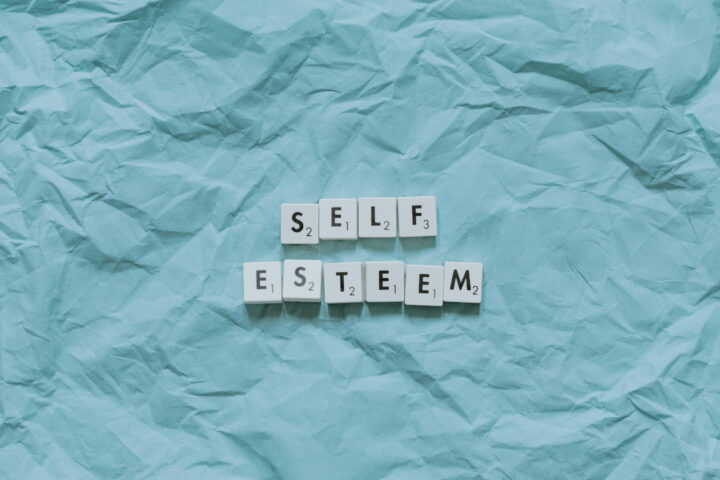
Self-esteem is how we value and perceive ourselves – Mind
Our self-esteem can affect many different aspects, a few examples are:
- How you like and value yourself as a person
- The ability to make decisions
- Move past mistakes without blaming yourself unfairly
- Believing that you deserve happiness
When our self-esteem is low, we tend to see ourselves and our life in a more negative and critical light – NHS
The things that can affect our self-esteem are different for everyone and there are many things in life that may contribute to low self-esteem, a few examples are:
- Being bullied
- Experiencing discrimination, racism, or prejudice
- Problems at work or whilst studying
- Physical or mental health problems
Low self-esteem often grows from negative thoughts and beliefs we hold about ourselves. It may be rooted in past experiences, criticism, or the pressure to be ‘perfect’.
Low self-esteem isn’t a mental health problem in itself, but mental health and self-esteem can be closely linked.
Low self-esteem is not permanent. Building self-esteem takes time, but every step towards self-acceptance brings us closer to a healthier, happier mindset.
So how can you build self-esteem?
- Be kind to yourself, treat yourself with the same care you’d give to a friend.
- Set realistic goals and focus on your strengths.
- List those things you are proud of and celebrate your progress.
- Replace negative thoughts with positive ones and surround yourself with supportive people.
- Stop comparing yourself to others, focus on your own journey.
Mind have put together a Video with some tips on how to improve self-esteem.
Once self-esteem is built you can will be able to establish your self-identity.
‘Self-identity is how we see, understand and define ourselves. Our identity is made up of the traits we believe we possess (whether true or not), personal beliefs, interests and life experiences.’ – Health Assured
You can read more here: How to Build a Healthy Self-Identity
Reach out to your GP or local mental health service if you feel you need support.
Resource Links for Young People
- Your confidence and self-esteem – for 11-18 year olds | Mind
- Raising low self-esteem – NHS
- Self-esteem and Believing in Yourself | Advice | Young Minds
- Self Esteem / Self Confidence
- CBT Worksheets for Low Self-Esteem | Fennell Model
Resource Links for Adults
- Types of mental health problems | about self-esteem | Mind
- Raising low self-esteem – NHS
- Self Esteem / Self Confidence
- Rebuilding confidence in later life | Dealing with loss of confidence