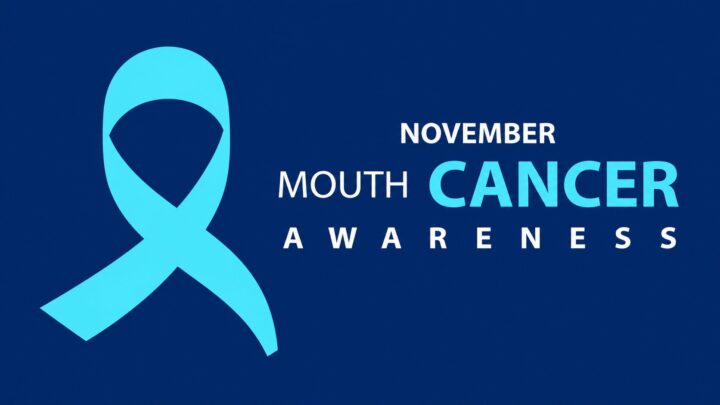
Why this month matters
According to the Oral Health Foundation, more than 11,000 people in the UK are diagnosed with mouth cancer each year, and it is now one of the ten most common cancers in the UK. In England, cases have risen by 119% over the last 20 years.
Early detection makes a real difference. When mouth cancer is found early, treatment is usually simpler and outcomes are better. That is why every routine appointment, every scale and polish and every emergency visit is a chance to spot a change.
An extra pair of eyes in every surgery
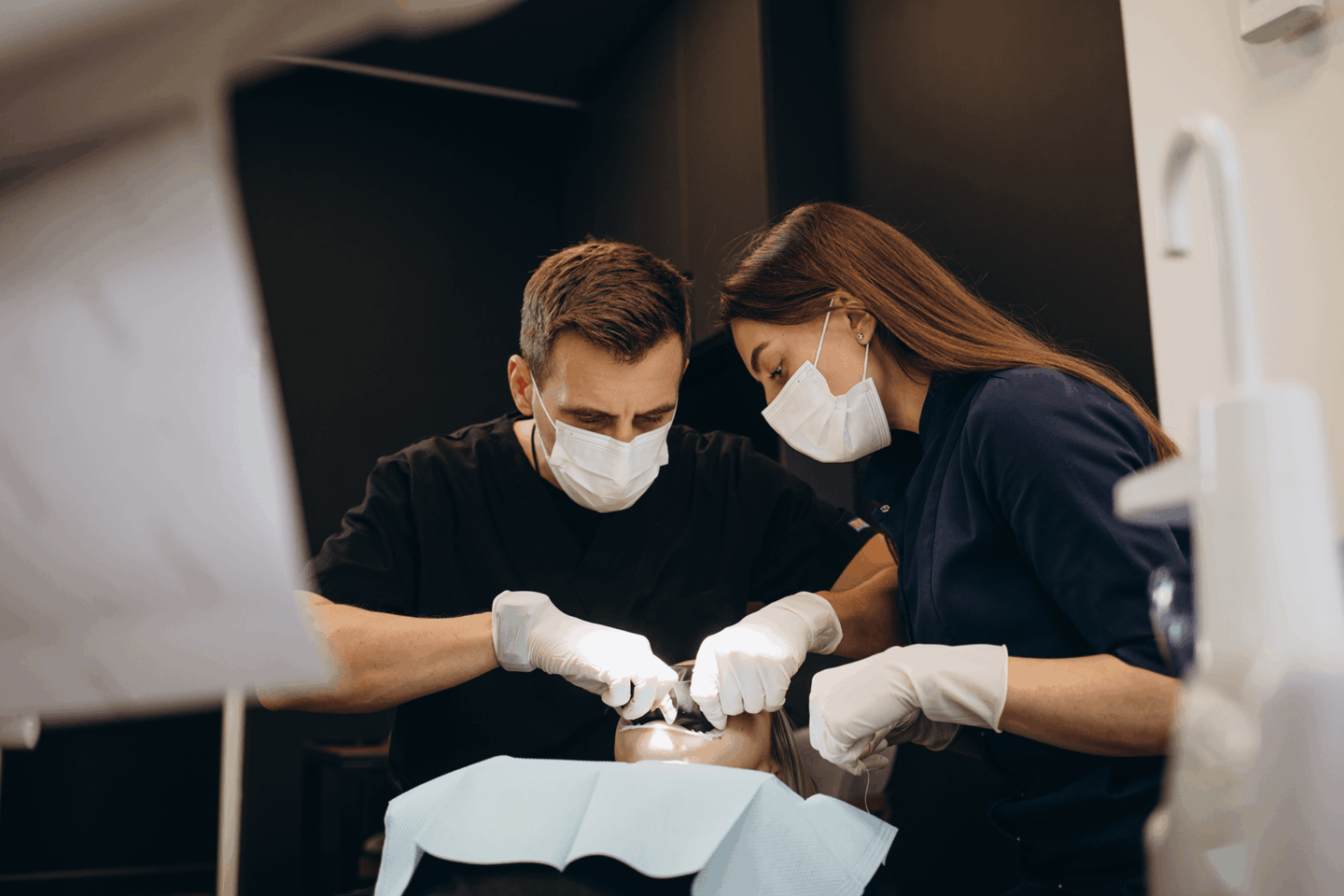
Locum dental nurses see a remarkable number of mouths. In a single month, a Cavity nurse might work in several NHS and private practices, a hospital department and a specialist clinic. That is a lot of patients, and a lot of chances to help.
The dentist leads the examination and the diagnosis. But a nurse who is alert to the signs can support the dentist, make sure nothing is missed in the notes and help a nervous patient feel comfortable about being checked.
The signs worth knowing
The NHS lists these as possible symptoms of mouth cancer:
- a mouth ulcer that lasts more than three weeks
- a red or white patch inside the mouth
- a lump inside the mouth or on the lip
- pain inside the mouth that doesn’t go away
- difficulty swallowing or speaking, or a hoarse voice
- a lump in the neck or throat
- losing weight without trying
These symptoms are common and often have other causes. Having one does not mean someone has cancer. It does mean it should be checked.
How to raise a concern calmly and kindly
If you notice something during an appointment, the most important thing is to stay calm and professional. A few simple habits help:
Mention it quietly to the dentist. Use clear, factual language, such as “there’s a white patch on the left side of the tongue”. Avoid words like cancer in front of the patient.
Make sure it is recorded. Accurate notes mean the next clinician can see what was found and when.
Follow the practice’s process. Every practice has its own way of handling referrals. As a locum, ask on your first morning who to speak to if you have a clinical concern.
Reassure the patient. If the dentist explains that something needs a second look, a nurse can help by being warm, explaining what happens next and answering simple questions within your role.
Talking about risk
The Oral Health Foundation encourages everyone to understand the risk factors for mouth cancer, such as smoking, drinking alcohol and HPV, and to check their own mouth regularly. Dental teams are well placed to share this advice in a friendly, non judgemental way, especially with patients who don’t visit very often.
If you would like to feel more confident having these conversations, our free Smoking Cessation CPD module is a good place to start.
Get involved this November
There are lots of ways for practices to support the campaign, from wearing blue on Blue Wednesday (18th November) to putting up campaign posters and sharing what you are doing with #MouthCancerAction. Keep an eye on our social channels this month too, where the Cavity team will be sharing their blue lips.
Most of all, keep looking. Every mouth we see is a chance to spot something early.
Keep learning
Cavity offers free CPD to every dental professional, so you can keep your knowledge current wherever you work. For full campaign details and resources, visit dentalhealth.org/mouthcancer.
Explore our free CPD for dental professionals, or learn more about the campaign at dentalhealth.org.